Experiment 3937
Horror game sound design for a cross-university collaboration.
(2025)
A student led, horror game audio project featuring original creature vocal design, environmental ambience, and SFX created for a cross-university collaboration.
Project Information
Project overview
Experiment-3937 was a cross-university collaboration where I worked with another Michigan Tech audio student to create all sound effects, creature vocals, ambient design, and music for a student game being developed at another university. Our audio team worked independently from the game developers but followed their narrative, art direction, and design documents to produce a fully original soundscape that fit the tone and pacing of the game world.
My Role
Sound Designer and Mixing Engineer
Responsibilities
Created the full creature vocal library using original recordings and vocal processing
Designed movement sounds including footsteps, scrapes, heavy body impacts, and environmental reactions
Built layered ambience for hallways, containment rooms, vents, and laboratory spaces
Used subtractive synthesis, granular textures, and filtered noise to reinforce non-human elements
Mixed and balanced all assets for game-ready playback
Ensured each sonic element supported the tone of curiosity, dread, and surrealism
Matched audio intensity to player proximity and narrative pacing
Creative Approach
The challenge was to avoid classic horror clichés like jumpscares and over-processed monster roars. Instead, I created creatures that felt physical and animalistic but also unsettlingly intelligent. I blended pitched vocal layers, granular distortions, resonant filtering, and manipulated breath textures to build a vocal palette that could shift between distant tension and close-up aggression. Environmental ambience played a major role, with slow-moving drones, unstable machinery sounds, and air pressure changes that made the facility feel alive.
Result and Reflection
Experiment-3937 taught me how to balance horror tension with atmosphere. The monster needed to feel dangerous, but not cartoonish, so I focused on organic textures, real breath control, and the physicality of animals to create a creature that feels both familiar and alien. The project also pushed me to collaborate remotely with a game team I never met in person, which strengthened my ability to interpret design documents, adapt to limited feedback, and deliver audio that fit a visual style I wasn’t directly involved in. It strengthened my skills in sound design, ambience building, creative synthesis, and pacing audio for interactive settings.
Sound Design Showcase
Creature sfx
Selected raw creature sound effects I designed using layered vocal processing, granular manipulation, and dynamic filtering.
Ambience and miscellaneous gameplay sfx
Selected environmental sound beds and supporting gameplay SFX designed to build tension, movement cues, and environmental storytelling within the game world.
Visual references
Creature Model Reference Stills
Visual reference materials provided by the external game development team to guide creature vocal and SFX design.
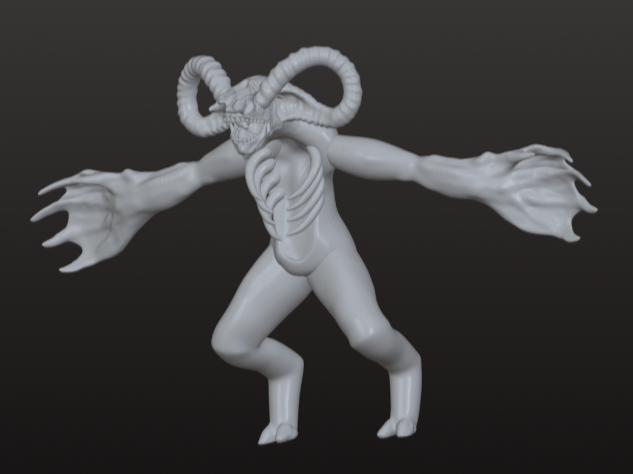
Primary creature model used for aggressive vocal layers and close-range attack SFX.
Creature model created by the external game development team and used as a visual basis for vocal and movement SFX.
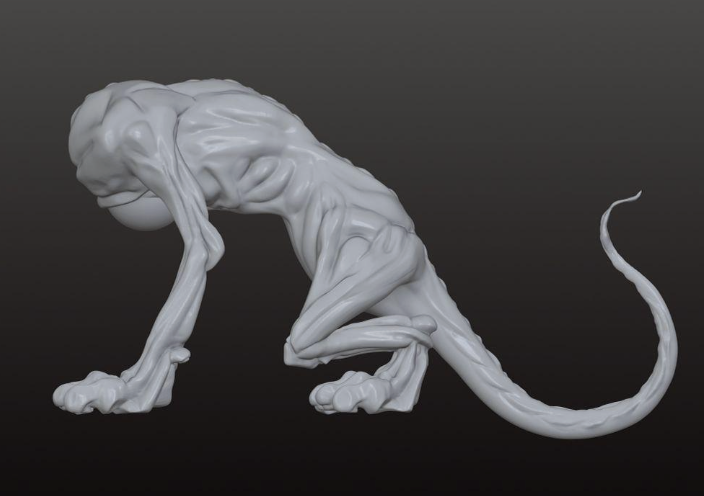
Secondary creature variant referenced for body impacts, breathing textures, and heavy movement Foley.
Creature model created by the external game development team and used as a visual basis for vocal and movement SFX.
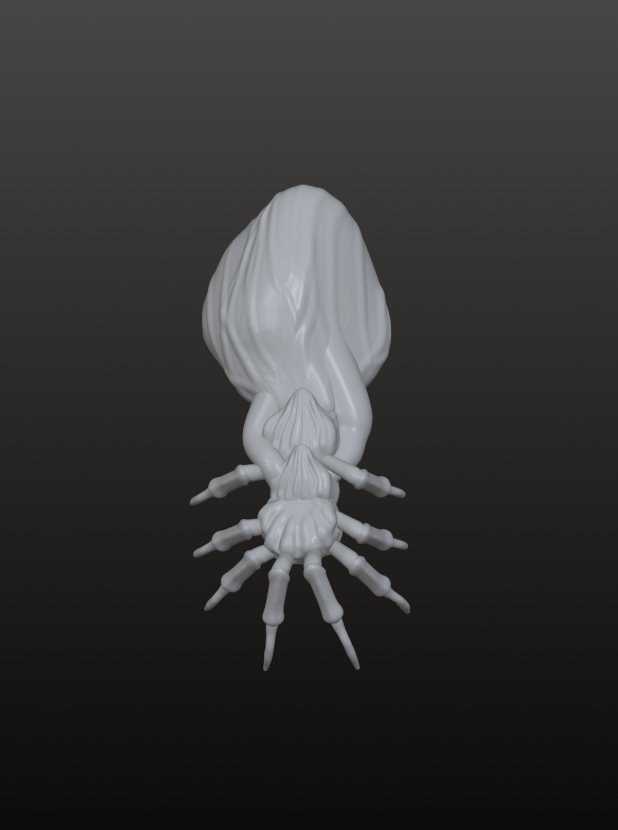
Mutated form referenced for experimental vocalizations and ambient presence cues.
Creature model created by the external game development team and used as a visual basis for vocal and movement SFX.
Gameplay Reference Stills
Gameplay stills created by the external game development team and used as visual reference during our SFX and ambience development.
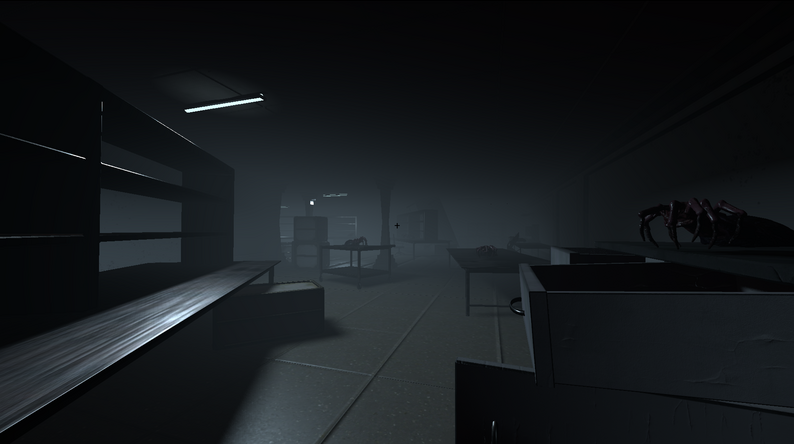
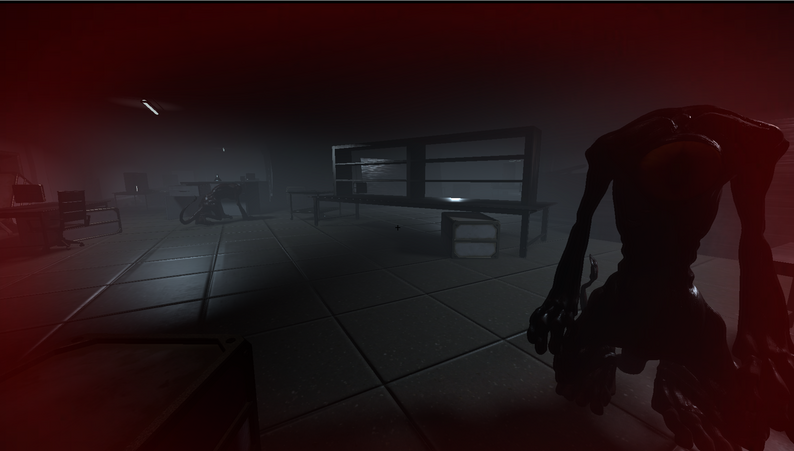
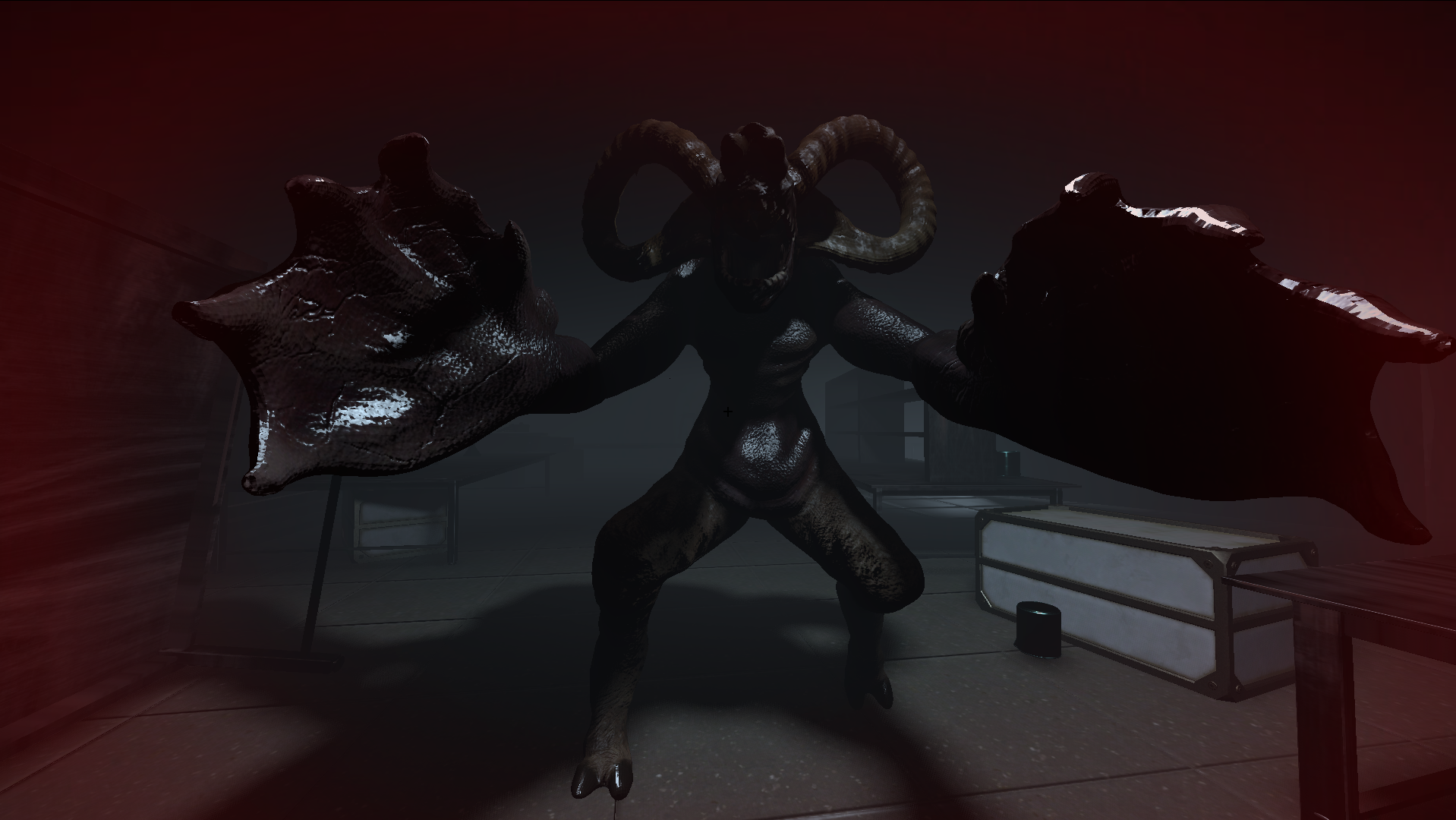
Gameplay created by the external team, used for audio design reference.